

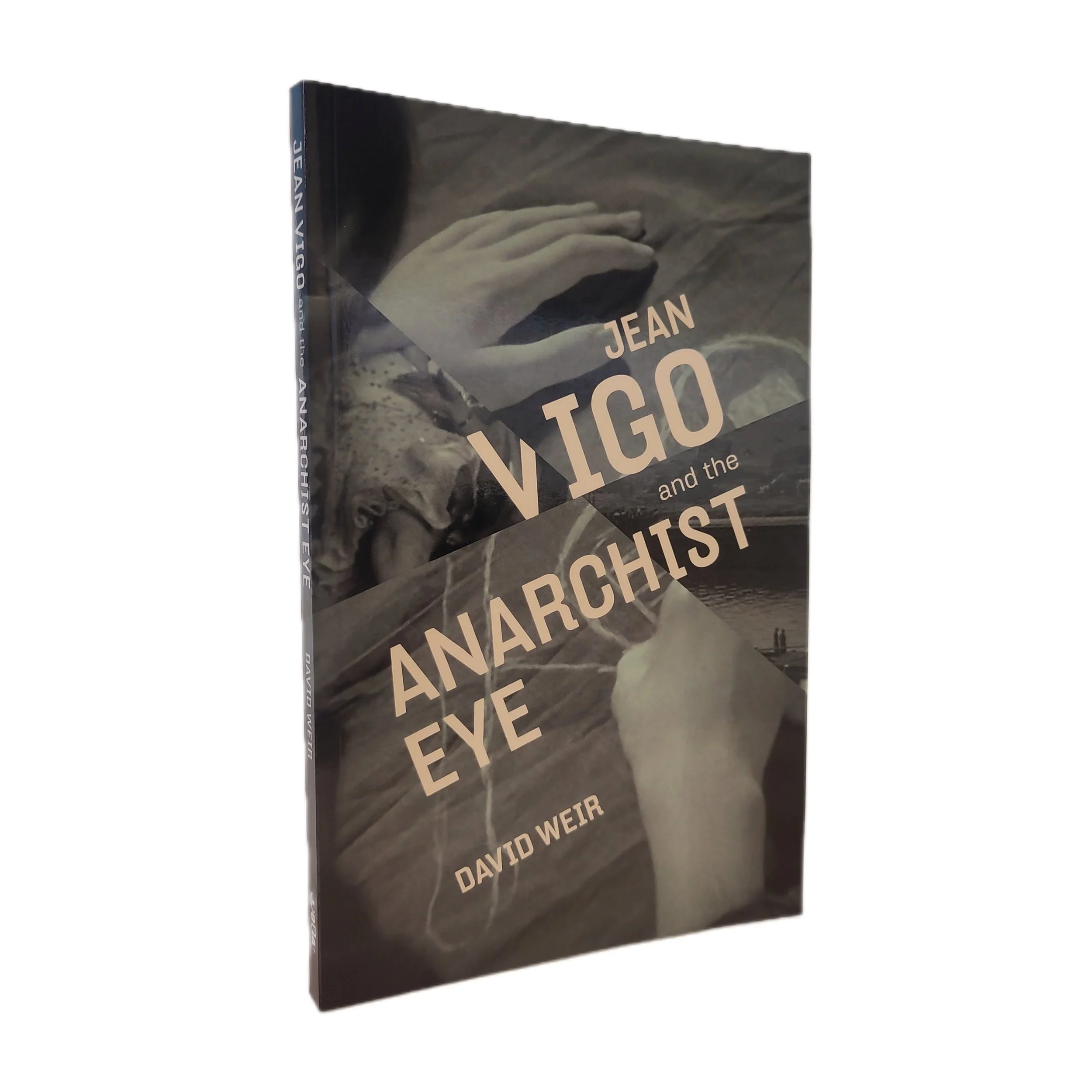
Jean Vigo and the Anarchist Eye
By David Weir
Published By On Our Own Authority! Publishing, 2014
180 pages, paperback
The son of Miguel Almereyda, an anarchist activist who died in prison, Jean Vigo kept faith with the politics of his father through his art. One of the most influential filmmakers in cinema history, Vigo gave aesthetic expression to anarchist ideology in four films: the city symphony Ë propos de Nice (1930), the sports documentary Taris ou la natation (1931), the medium-length ZŽro de conduite (1933), and the feature-length L’Atalante (1934), currently ranked by the British Film Institute as the twelfth greatest film of all time. Although his career was cut short by tuberculosis at the age of 29, Jean Vigo continues to be one of the most commanding figures in the history of cinema.
In this book, David Weir examines Vigo’s cinematic career in both the political and the cultural context of the interwar period in European history, taking stock of the ideological upheavals of the 1930s that plunged the continent into the horrors of fascism and war. Weir also explores Vigo’s relationship to other filmmakers of the period, such as Luis Bu–uel, Jean Renoir, and Marcel CarnŽ—all of whom, like Vigo, range across the leftist spectrum of the interwar years. In the end, Weir argues that, whereas L’Atalante and the other films have been mostly restored to something like their original condition, more work needs to be done to restore the original ideological meaning of those films.
Praise for Jean Vigo and the Anarchist Eye
"Decades ahead of his time, the film artist Jean Vigo was a one-man nouvelle vague. He was also a visionary who grasped cinema’s potential for embodying his political ideas—as demonstrated by David Weir in his acute and detailed appreciation of Vigo’s multi-faceted oeuvre, the best such to appear in English." — J. Hoberman, author of FILM AFTER FILM.
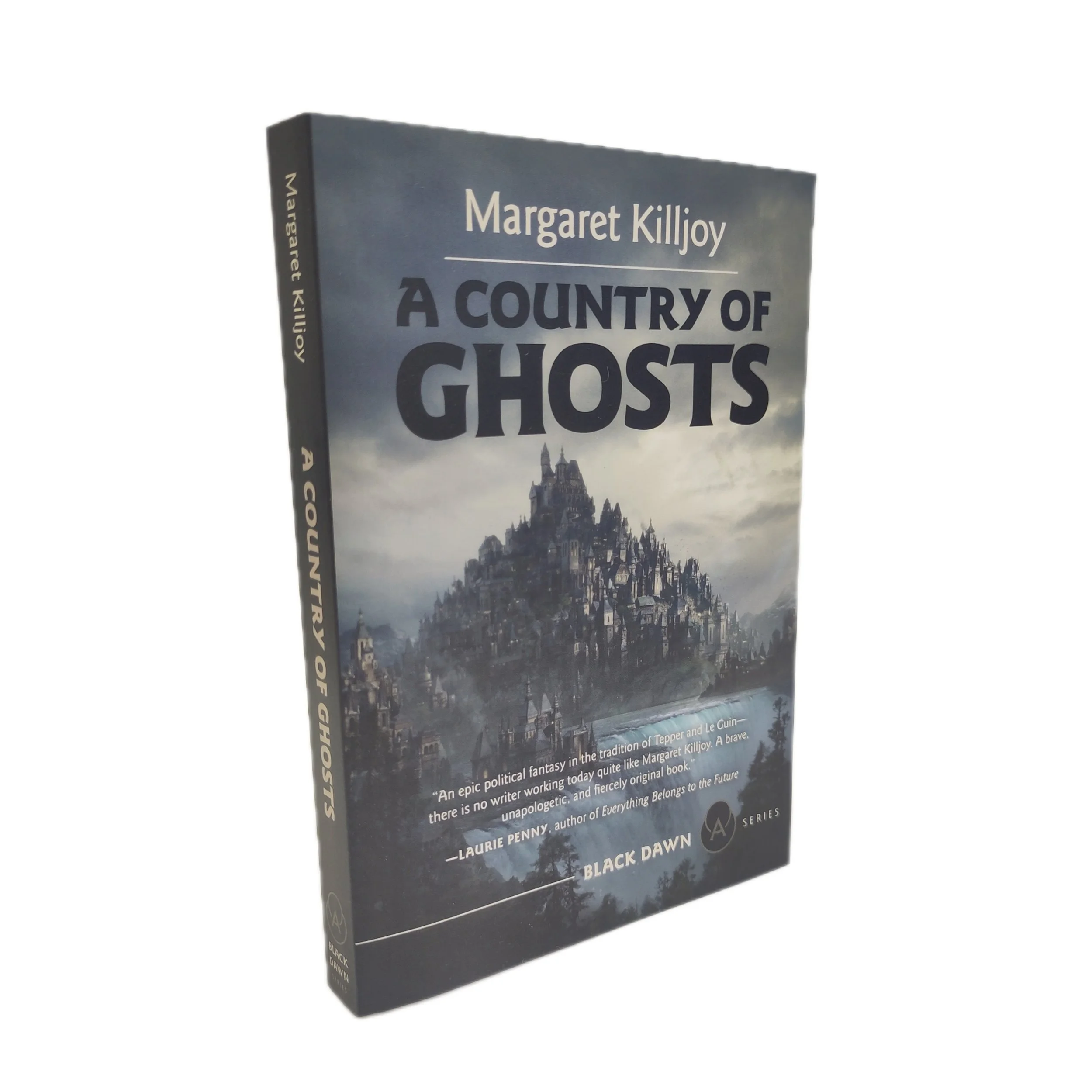
A Country of Ghosts
by Margaret Killjoy
Published by AK Press, 2021
222 pages, paperback
This is the second title in the Black Dawn series of speculative fiction from AK Press.
An epic political fantasy in the tradition of Tepper and Le Guin that explores the question of what an anarchist community can do to resist the assaults that are sure to come if any such social formation were to exist.
Dimos Horacki is a Borolian journalist and a cynical patriot, his muckraking days behind him. But when his newspaper ships him to the front, he’s embedded in the Imperial Army and the reality of colonial expansion is laid bare before him. His adventures take him from villages and homesteads to the great refugee city of Hronople, built of glass, steel, and stone, all while a war rages around him. The empire fights for coal and iron, but the anarchists of Hron fight for their way of life. A Country of Ghosts is a novel of utopia besieged that challenges every premise of contemporary society.
Praise for A Country of Ghosts
“An epic political fantasy in the tradition of Tepper and Le Guin—there is no writer working today quite like Margaret Killjoy. A brave, unapologetic, and fiercely original book.”
—Laurie Penny, author of Everything Belongs to the Future
"This gritty, evocative novel explores the question of what an anarchist community can do to resist the assaults that are sure to come if any such social formation were to exist. Yet more important still is that this is an exciting and mysterious novel, a story of war and love in some fictional mountainous country with echoes of nineteenth century Latin America, eastern Europe, central Asia; by the time you’re done you feel you’ve gotten a glimpse into a forgotten part of our history that is nevertheless very real."
—Kim Stanley Robinson, author of the Mars trilogy
“A Country of Ghosts is entertaining, its politics intriguing, and the setting is a place I found myself missing after I turned the last page.”
—Nick Mamatas, author of I am Providence and Bullettime
"Margaret Killjoy’s A Country Of Ghosts is a remarkable book, one that demonstrates the power of speculative fiction and Fantasy as a tool to imagine new ways of living outside of repressive regimes."
—Jonathan Thornton, The Fantasy Hive
"Killjoy has created a big world with big problems and squeezed it into a brief novel. She has established a framework for further exploration and there is much room for expansion."
—Luke Beirne, Strange Horizons
"The writing is accessible and relatable, with just enough of the haughty flair required of fantasy narration. The plot is fun and well-paced. Whether you’re a seasoned anarchist who’s almost given up on explaining these ideas to others, or someone merely curious about the topic, this book suits. Here, freedom is understood as a relationship between people, complete with the responsibility that entails. Feels pretty close to home these days."
—Jonathan Valelly, Broken Penci
"A short novel with the arc of an epic, A Country of Ghosts is a story of people who will give up everything, including their own lives, to live in a better world."
—Wendy J. Fox, Buzzfeed Books
"This utopian fantasy reminiscent of Ursula K. Le Guin is a thought-provoking read."
—Margaret Kingsbury, Buzzfeed News
"This is a fierce, intelligent, hopeful book—a fantasy (of sorts) of unusual seriousness, humanity, and wit."
—Felix Gilman, author of The Half-Made World
"Gulliver’s Travels meets The Dispossessed. It’s a wild ride, and you don’t want to miss it."
—Gabriel Kuhn, author of Life Under the Jolly Roger
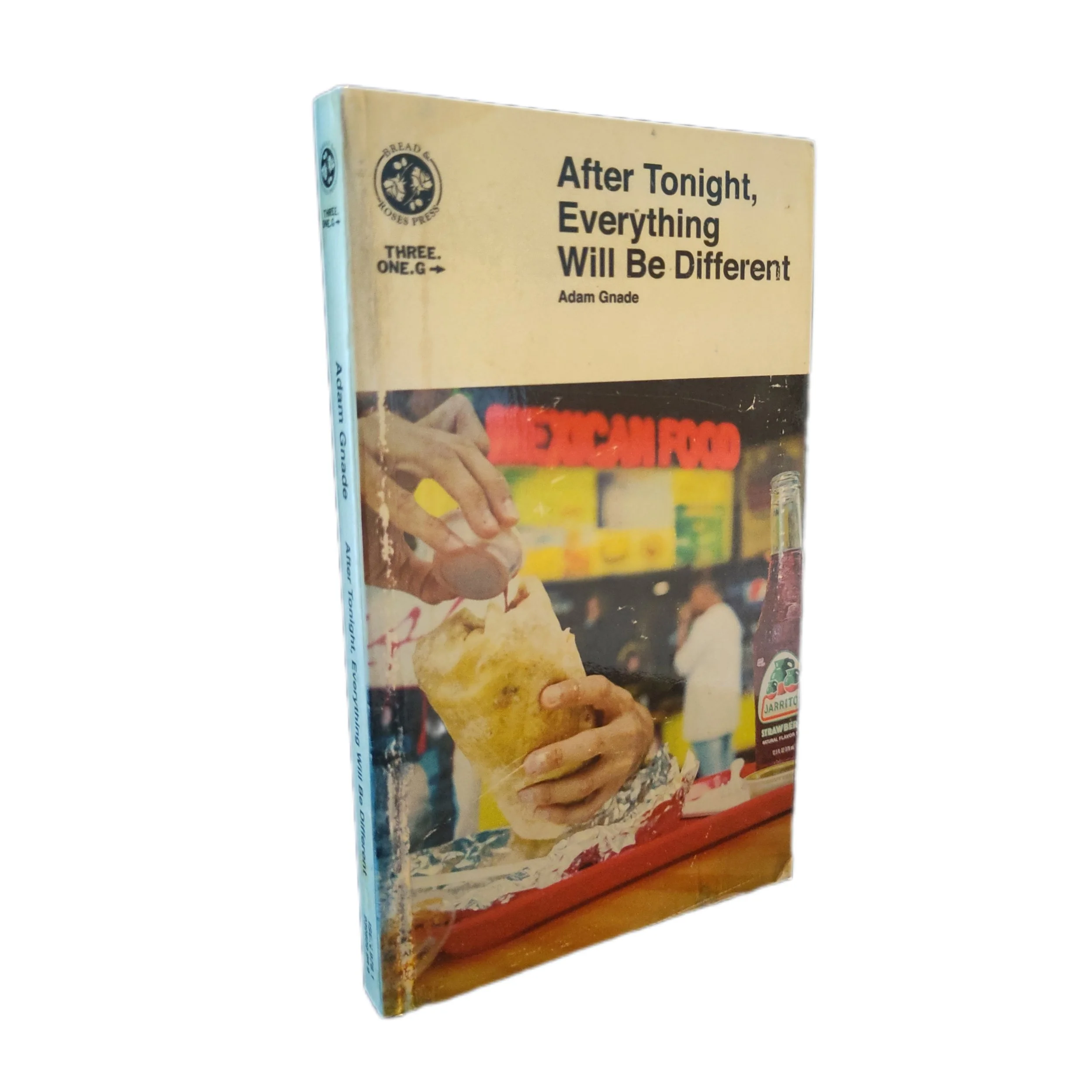
By Adam Gnade
Published by Three One G and Bread & Roses Press
192 pages, paperback
Falling somewhere between Trainspotting and Like Water for Chocolate, Adam Gnade’s self-described “food novel” frames each chapter around a meal, and from there moves wild in all directions. After Tonight, Everything Will Be Different takes place in San Diego taco shops and rundown beach apartments, on the amusement park boardwalk at 3am and in cars bound for Tijuana and drunken glory. Like Proust’s baroque autobiographical fantasies, this is a book rich with details and life. Gnade’s youthful characters sink to hard drugs and deep depression as they navigate life at the end of the last century. They celebrate and they battle with their demons and throughout it all they eat. This is not a food snob’s novel. Instead Gnade writes about the pain and joy of life and the ways that common, everyday food is there with us at each step. This is a book of deli sub sandwiches, endless burritos, eggplant parmesan, the magnificence of good sourdough bread, of box brownies and Nacho Cheese Doritos, rolled tacos and the perfect tortilla. After Tonight, Everything Will Be Different is a raging, ecstatic, troubled book that shows a world of food and a world of life, each inextricable from the other.
Praise for After Tonight, Everything Will Be Different
“After Tonight, Everything Will Be Different is an excellent novel, an energetic tale of ambition, sorrow, and American hunger. Anthony Bourdain meets Roberto Bolaño.” -Nathaniel Kennon Perkins, author of Wallop
“Gnade has been channeling human empathy in his writing for years and in After Tonight, Everything Will Be Different he has finally perfected his emotive spell” -Michael J. Seidlinger, author of Runaways: A Writer’s Dilemma
“Gnade is urging a more steadied sense of attention; a care and curiosity for the world, and a sense that there is magic out there—even if it is hiding.” -Lora Mathis, artist and author of The Women Widowed to Themselves
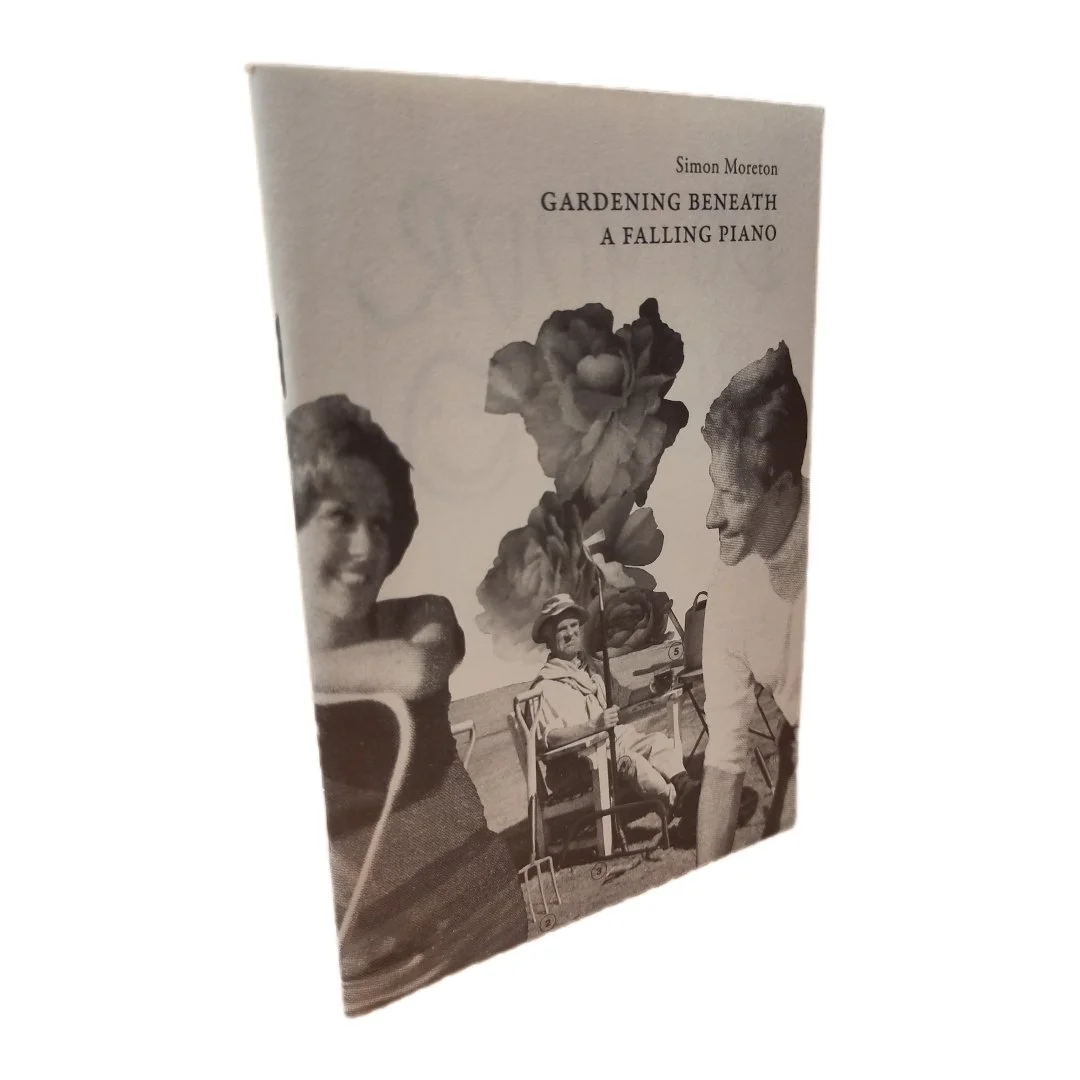
Gardening Beneath a Falling Piano
By Simon Moreton
"forever on the sea-pink brink of a cliff, or on the beach, waiting for the scarp to come down on top of you like a horrible pillow fight."
Pocket-sized, 28-page zine of poetry and collage. Published by the wonderful Kraków, Poland-based Bored Wolves. They say:
"Tenderly fatalistic collection of diurnal observations; snippets of days unfolding. Nap time. Deep time. The cosmic improbability of a couch. Staring off into space. Anchoring oneself to Earth through contact with earth and neighborly exchanges with caterpillars."
- Edition of 300
- 28pp, 12×17 cm, b&w offset, stapled
- Printed on Arctic Munken Print Cream 115
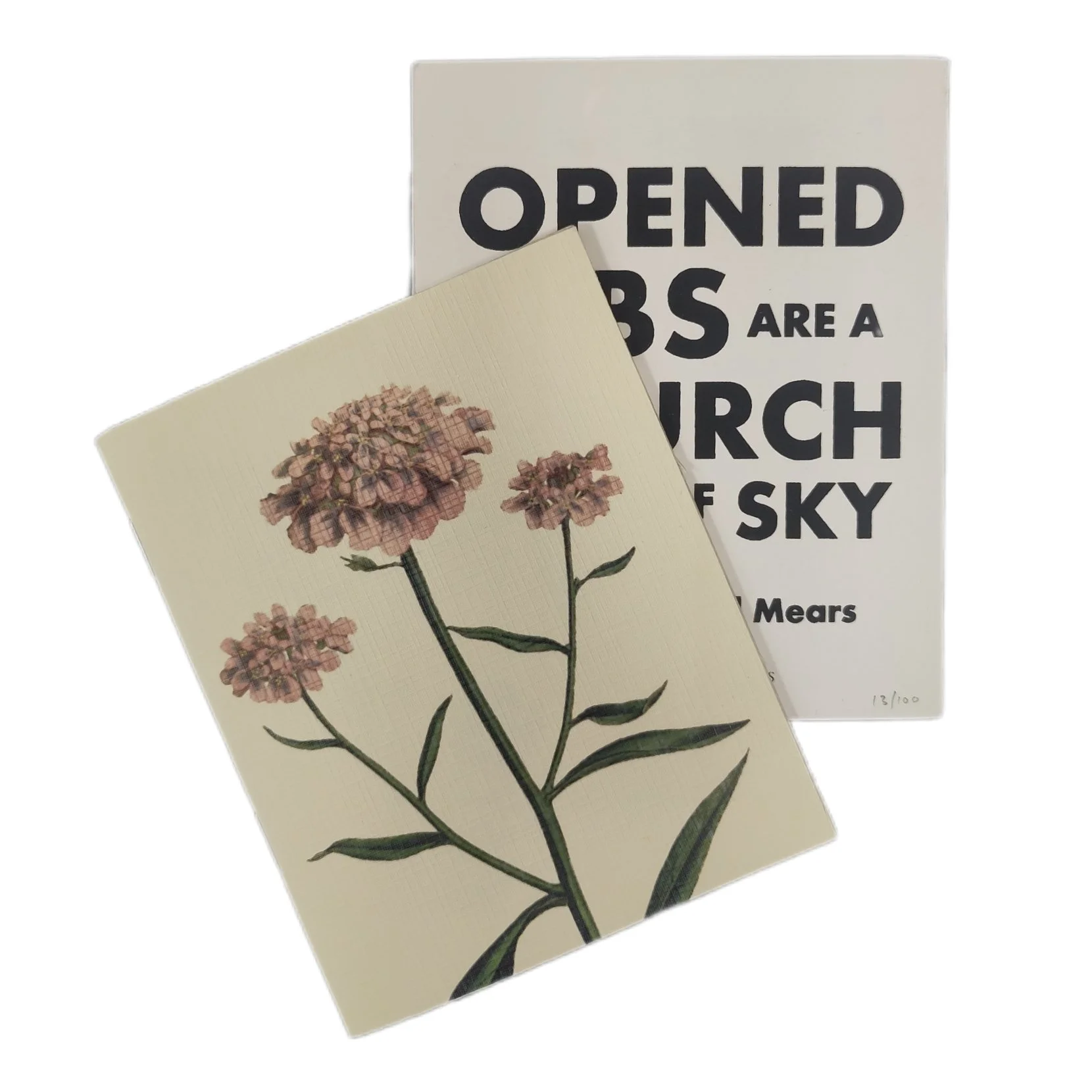
Opened Ribs are a Church Full of Sky
By Andrew Hykel Mears
Published by Bread and Roses Press, 2024
Ltd edition microchapbook w/screenprinted sleeves, hand-numbered
Second edition
These poems move from family gatherings to hospital corridors, from blind veterans' gardens to walk-in freezers, examining how memory and loss shape our understanding of both personal and collective history. Capturing contradictions of contemporary English life—where algorithms measure human engagement, ancient traditions persist in digital spaces, and orange centipedes become ‘polished stone’—Mears explores how personal histories intersect with both cultural moments and ecological processes. Through observations of how bodies interface with their environments—eggs crying into themselves, ribs opening to sky—these poems create a portrait of life that is both deeply specific and universally resonant, poems that pull at the permeable boundaries between human and more-than-human worlds.
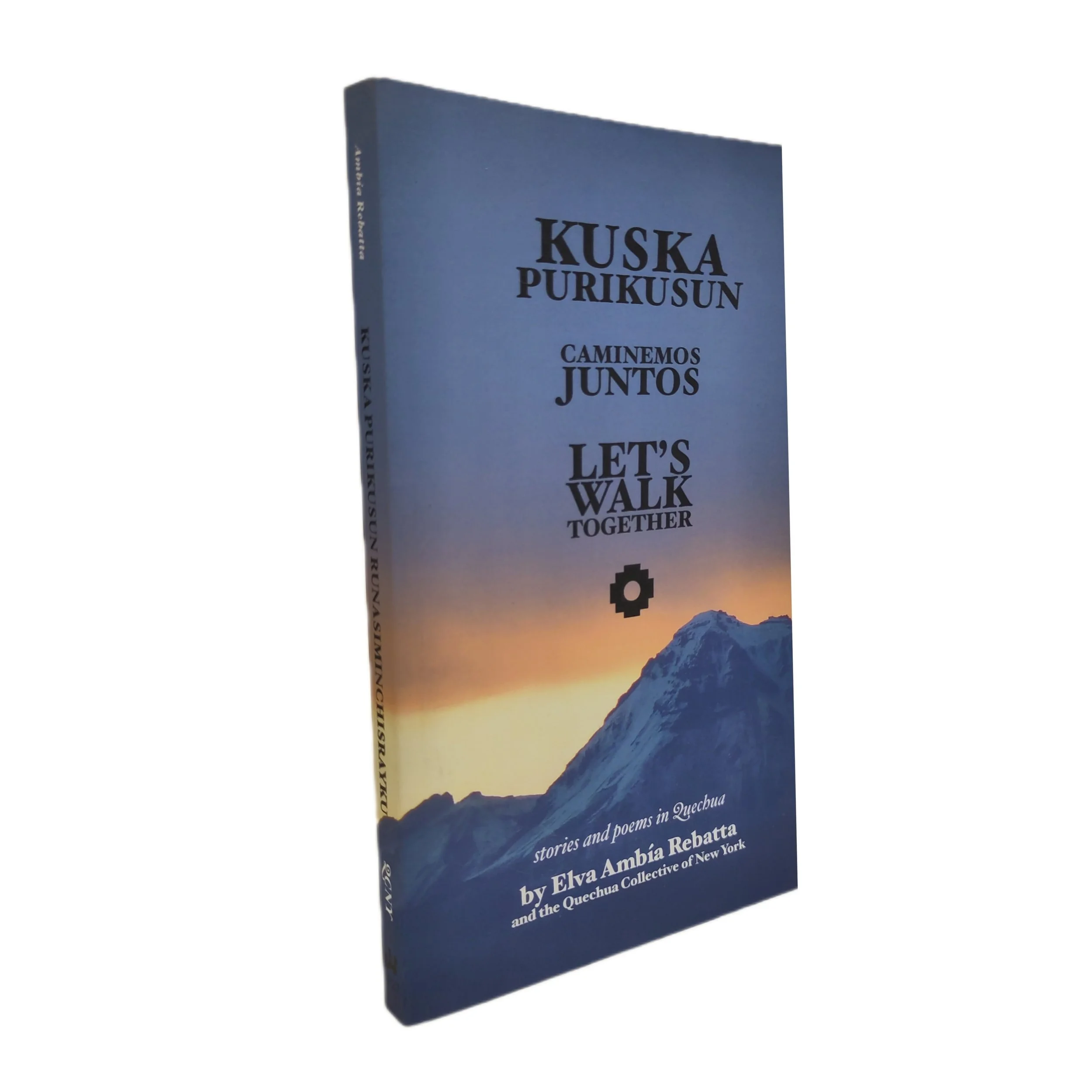
Let's Walk Together
Kuska Purikusun
Caminemos Juntos
by Elva Ambia Rebatta & the Quechua of New York
175 pages, Paperback
‘This poetry compilation, Kuska Purikusun Runasiminchisrayku, is a trilingual celebration in Quechua, English, and Spanish that challenges the stereotype of Indigenous languages being relics of the past or static entities. It offers a deep dive into Elva Ambía Rebatta's life, memories, and inspirations, which originate in the Andean region of Apurimac and later transition to her more urban and cosmopolitan life in New York City. Elva's creativity offers a closer look at the history of the Quechua-speaking movement that exists outside the Andean region, in places like the United States, Spain, and Italy, where thousands of migrants continue to speak their native language, and many are involved in cultural initiatives to pass it on to new generations.’ -from the foreword by Américo Mendoza-Mori
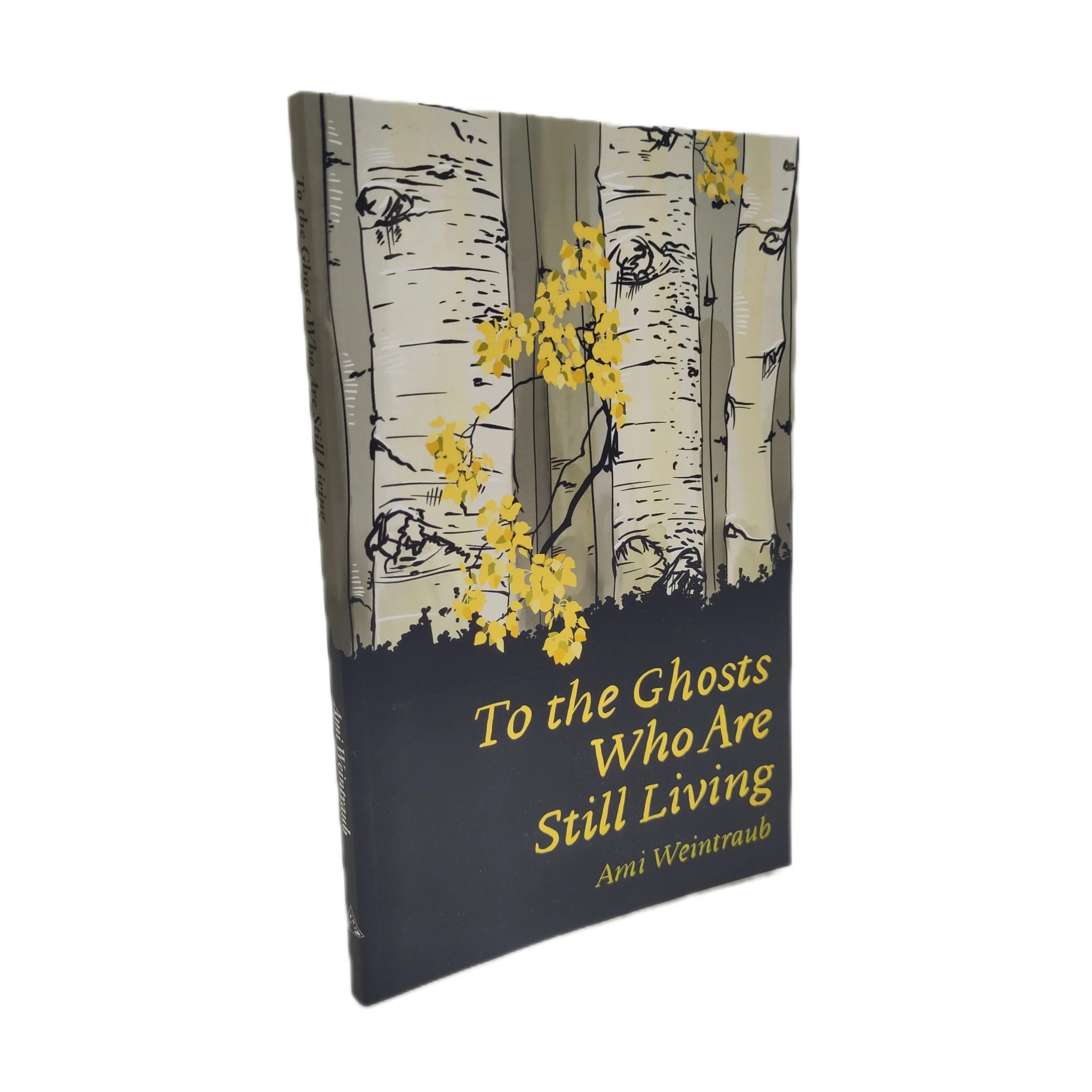
To the Ghosts Who Are Still Living by Ami Weintraub
The stories of our ancestors call to us all from across time, asking to be remembered. In retelling our ancestors’ experiences of love, tradition, loss, and sorrow, we not only honor their lives, but we come to better understand our own.
In this collection of remarkable essays, Ami Lev Weintraub guides us on a journey to meet the ghosts of his Jewish ancestors—a people whose struggles and stories sometimes whisper and sometimes scream to be shared. Ami examines challenging questions of heartbreak, memory, restitution, and self-discovery. From Eastern Europe to the Tree of Life shooting, these stories illuminate the historical and contemporary impact of fascism on Jewish communities while honouring the ongoing legacy of Jewish resistance. We explore how listening to the earth can restore relationships to lands that carry pain, how the struggles of our people can coexist with their joys, and how we can build lives of deep remembering.
Praise for To the Ghosts Who Are Still Living
"Ami Weintraub's essays are a brilliant meditation on both the generational trauma and resiliency that underscores our struggle to survive in a world not built for us. Lyrical, insightful, and heartbreaking, Weintraub is a powerful voice for the radical nature of memory and healing."
—Shane Burley
About the Author
Ami Weintraub (he/they) is a Jewish anarchist writer and Rabbinic student. He has contributed to a number of publications including Tikkun, Jewish Currents, and New Jewish Voices. Ami is the founder and former director of Ratzon: Center for Healing and Resistance, a Jewish, queer anarchist community center in Pittsburgh and is studying to become a Rabbi in the Aleph Rabbinic Ordination Program. Ami’s work and community organizing focus on building a world without domination where people can freely connect to their cultures, lands, and bodies. They call the hills of Pittsburgh, PA and creeks of Silver Spring, MD home.
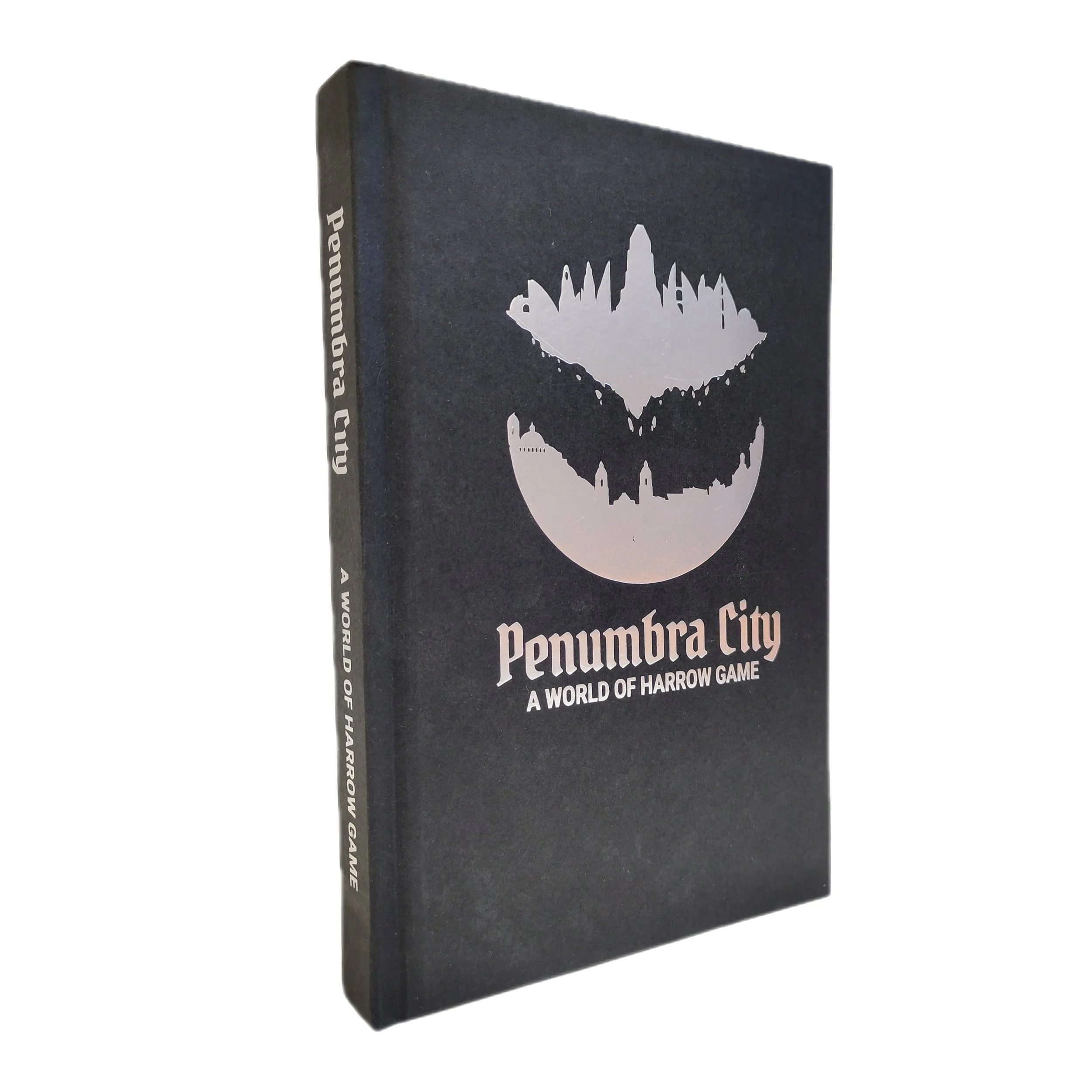
Penumbra City is a class-based TTRPG set in the mysterious world of Harrow, created by members of the Strangers Collective. Players are led by a game master through a lore-rich world with simple game mechanics where they may encounter monstrous centipedes, fungal entities, creatures summoned from the plane of Rot, or the ethereal god king, Athe, himself.
Penumbra City was beautifully printed and bound by Book Mobile into a handsome 6x9" black-and-white hardcover book with a silver foil-stamped cover. It is 285 pages.
Each Print Edition of Penumbra City comes with a redeemable code for a free bookmarked PDF of Penumbra City.
About Penumbra City
There’s a black fog that hangs over the city, and it’s not as metaphorical as you might hope. It’s coal dust. Somewhere up through that smoke, there’s a glorious silver city hovering in the sunshine—but don’t concern yourself much with the floating quarter, because only the rich and holy will ever see it. Groundside, orphans dig through rubble and trash to scavenge the parts to fix their motorcycles, street poets sell fungus and brawl over territory, and bureaucrats ride black horses to midnight salons where they plot the death of the god king. The graveyard’s been squatted by immigrants now for longer than you’ve been alive, and there’s a gang of nihilist ex-marines who seem intent on blowing up half of everything.
Welcome to Penumbra City. There’s plenty to do, if you don’t mind the dust. Or the smoke. Or the crime. Or the monsters.
Penumbra City is a rules-medium, campaign-world-richtabletop roleplaying game designed for 3-6 players.
Penumbra City is a class-based game with simplified core mechanics but a broad range of character class abilities. Healing is hard to come by, so the decision to fight must never be taken lightly. While one player takes the role of the Game Master, players roll all dice. Most rolls are made with d20s. Penumbra City uses a reputation economy–it is a world where money has lost its luster, and it is a character’s reputation with the various gangs, factions, and coalitions that determine their access to resources.
The book contains a complete game system as well as a lore-rich world with its own complete cosmology. The city contains eleven unique districts. There are nine playable classes (or twelve, if we reach our stretch goals) and twenty or so factions. The only other things you need to play Penumbra City are dice, pen and paper, a game master, a party, and to answer the call to adventure. And to not get eaten by a murderous swamp crane.
Who You Can Be
Doggirl: A motorcycle-riding, house-squatting, live-fast-die-fast mechanic who sings in tongues and knows that one day their bike is going to explode beneath them.
Ex-Marine: When you leave the elite Marine Corps you’re supposed to turn in your bolt thrower and your coal-fired exoskeleton, but the ex-marine must have forgotten.
Fungalian: A street poet who deals fungus both legal and illegal, whose drugs can bolster her comrades and can send her into a battle frenzy.
Gunslinger: A gunsmith who builds and modifies their own firearms.
Labor Thug: If you ask them, Labor Thugs and the union are the only thing standing between industrial workers and exploitation. Standing between with iron pipes, wrenches, or anything they can get their hands on.
Lordling: It ain’t easy being a rich bastard. Well, maybe it is easy. The Lordling is slumming with the revolutionists, and it turns out privilege can still get you embarrassingly far in this world. The Lordling has all the right gear, can get out of jail with a favor from their father, and can solve an awful lot of problems by throwing silver around.
Occultist: She wears all black, she likes bombs, she talks with the dead, she’s got a phantasmal familiar, she reads tarot, and she curses anyone who gets in her way.
Patchworker: Everyone is scared of these doctors. They can do wonderful and horrible things with scalpels. They can also slap some fungal paste onto a patch of skin they’ve cut off a corpse, put that bad boy right onto your wounds, and heal you up. It even works most of the time.
Rat King: The orphans who live in the shadow of the Silver City are damn strange. The Rat Kings are the damn strangest of them. They eat mushrooms that let them commune with rats, who swarm over them like living armor and attack their enemies.
Clacker: They're building a "distributed difference engine" in the sewers of the city, and if you don't like it, too bad, because they're also the best bombmakers around. It doesn't do well to interfere with their plans.
Corsorian Knight: They never get angry, they never get tired, and they also, somehow, never seem to die. The Corsorian Knights belong to an ancient order of anarchist knights who each devise their own tenets and who fight in a calm trance.
Gaslamper: The warriors of the secretive Fraternal and Sororal Order of Gaslampers are an old-fashioned bunch. They ride horses, shoot crossbows, fight with sword and cane, and meet in moonlit groves to plot the death of the immortal king. And they look good while they're doing it.
Differences From Some TTRPGs
Reputation matters, money doesn’t: The complex economy of Penumbra City doesn’t run on money, it runs on trust. Rather than track gold or dollars, players track their character’s various reputations with the three coalitions.
Simplified and class-based: There are no skills to track and no spell books. Each character has set abilities that come with their character class.
Dangerous: Healing is hard to come by in Penumbra City, and it’s easy to find your character maimed or even killed if you aren’t careful.
Players roll, not the GM: In combat, players roll their attacks and they roll to defend themselves from the enemy’s attacks.
Armor works like temporary hit points: A character tracks their hit points, or HP, but they also track their armor points, or AP. AP is recovered after each combat. HP recovers much slower.
About the Creators
World Design
Margaret Killjoy (she/they) is a transfeminine author and musician living in the Appalachian mountains with her dog. She is the author of A Country of Ghosts as well as the Danielle Cain series of novellas; she plays piano, synth, and harp in the feminist black metal band Feminazgûl; and she is the host of the community and individual preparedness podcast Live Like the World is Dying and the history podcast Cool People Who Did Cool Stuff.
Game Design
Inmn Neruin (they/them) is a nonbinary game designer, writer, podcaster, metal smith, and professional goblin living in the desert where they perform with a queer theater and make knives.
Art Design
Robin Savage (she/her) is an artist, designer, and manic pixie dream ghoul. When not making art for Strangers in a Tangled Wilderness she can be found haunting the streets of New York City.
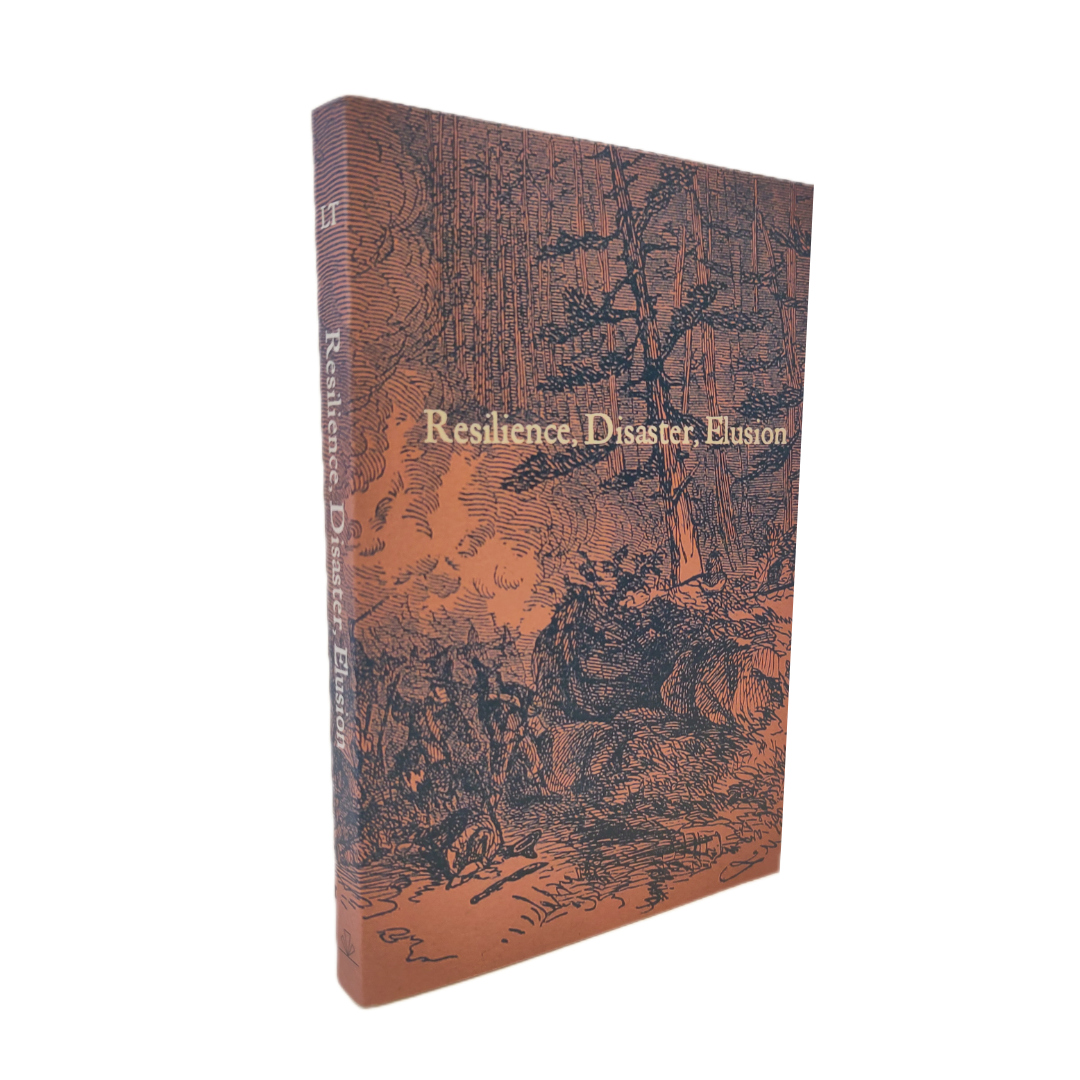
Resilience, Disaster, Elusion: The Life and Times Below John Adams, Part 1
By Leopold Trebitch
238 pages, paperback
How is it that America cries "freedom," but delivers slavery, war, and death? The same tensions we see today from Black Mesa and Standing Rock to Ferguson and Kenosha have racked America since its founding. Below John Adams returns to the origin point of this nightmare, examining the roles that race, law, and religion played in colonial conquest and trade in the American Northeast. From Native self-defense and African defiance to Caribbean pirates and mutinous servants, this is a tale of the tumultuous world at the roots of the American Revolution and our modern society—the end of which remains unwritten.
Filters

No results found
No results match your search. Try removing a few filters.
Whether it's just Adam Gnade and acoustic guitar or a full band beating and stomping on every instrument they can find, Run Hide Retreat Surrender is an evocative experience, not just for the sounds but for the scents and tastes and sensations it invokes: the smell of rotting horseshoe crabs on an empty Florida beach; the drone of cicadas on dark country roads; the cry of bald tires threatening to blow on the New Jersey Turnpike. It is a record heavy with humid, festering decay, drug damage, and the displaced feeling of a generation stopped dead in its tracks. Released by the Numero Group. June, 2026.